


ثقب الأوزون فوق القارة القطبية الجنوبية يتعافى
تستمر طبقة الأوزون فوق القارة القطبية الجنوبية في مسار التعافي طويل الأجل بفضل التزام الدول بـ"بروتوكول مونتريال"، رغم تسجيل الثقب اتساعاً مؤقتاً في عام 2026.
-
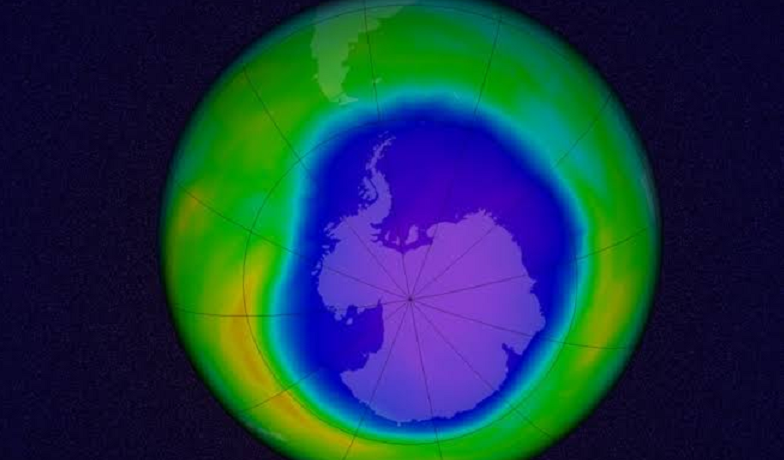
ثقب الأوزون فوق القارة القطبية الجنوبية يتعافى
وصل ثقب الأوزون فوق القارة القطبية الجنوبية Antarctic Ozone Hole في عام 2026 إلى أحجام كبيرة غير معتادة بسبب دوامة قطبية قوية وخصائص الدوران الجوي.
ووفقاً لبيانات وكالة "ناسا" Nasa الفضائية، والإدارة الوطنية للمحيطات والغلاف الجوي الأميركية (NOAA)، فإنها احتلت المرتبة السابعة كأكبر ثقب من حيث متوسط المساحة خلال الموسم في 48 عاماً من الأرصاد.
وخلال فترة تدمير الأوزون الأكثر نشاطاً من 7 أيلول/سبتمبر إلى 13 تشرين الأول/أكتوبر الماضي، كان متوسط مساحته نحو 25 مليون كم². وهذا يزيد عن ضعف مساحة الولايات المتحدة. وقد وصل ثقب الأوزون إلى أقصى حجم له في 18 أيلول/سبتمبر، حيث غطت مساحته 27.1 مليون كم². وعلى سبيل المقارنة، تمّ تسجيل القيمة القياسية على مدى تاريخ الأرصاد بأكمله في 9 أيلول/سبتمبر 2000.
اقرأ أيضاً: في اليوم العالمي لحماية طبقة الأوزون.. الأرض بدأت تتعافى
The Antarctic Ozone Wound: 2025 Update from the Edge of SpaceEvery September, a ghostly scar re-opens above the frozen continent: the ozone hole. This year it yawned to roughly 8.5 million square miles (22 million km²), large enough to swallow the United States, Mexico, and most of Canada combined. That’s not a catastrophe by historical standards; the worst years saw it balloon past 11 million square miles, but it’s still a sobering reminder that Earth’s UV shield remains paper-thin over the South Pole.Picture this: high above Antarctica: temperatures in the stratosphere plunge to -78 °C, spawning eerie, pearl-colored clouds made of frozen acid. These polar stratospheric clouds act like chemical factories, unleashing chlorine and bromine that shred ozone molecules at a terrifying pace, one destroyer atom can annihilate 100,000 ozone molecules before it’s neutralized. Even though the world slammed the brakes on CFCs decades ago thanks to the Montreal Protocol, the banned chemicals linger in the atmosphere for up to a century, and wild swings in weather 50 km up can still trigger bigger holes in any given year.More ultraviolet light sneaks through the wound every spring, enough extra UV to burn human skin in minutes, blind krill and fish larvae that form the base of the Antarctic food web, and stress penguins, seals, and whales that evolved under a stronger shield.Yet there is fierce hope here. The hole is shrinking on average, healing at roughly 1–3 % per decade. The Montreal Protocol remains the single most successful environmental treaty in human history; without it, the ozone layer would be in free-fall and two-thirds of it could have vanished by 2065, turning midday outdoors into a global cancer risk.But healing is fragile. Volcanoes, wildfires, and even secret emissions can still jolt the chemistry. Climate change itself is messing with stratospheric winds, sometimes delaying https://t.co/ubl3FeLMd0 every year, NASA and NOAA satellites stare down at the white continent, watching the sky’s silent battle. The 2025 hole is a warning written in invisible light: the patient is recovering, but the scars still flare, and only relentless global vigilance keeps the wound from tearing wide open again.Source/Credits: NASA Ozone Watch, NOAA, World Meteorological Organization
— Black Hole (@konstructivizm) December 7, 2025
لماذا كبر ثقب الأوزون فوق القارة القطبية الجنوبية؟
وكان أحد الأسباب هو دوامة قطبية كبيرة وقوية بشكل خاص، وهي تيار من الرياح يدور حول القارة القطبية الجنوبية في الشتاء والربيع ويحتجز الهواء البارد فوق القارة. في مثل هذه الظروف تتشكّل سحب ستراتوسفيرية خاصة، وعلى جزيئاتها تطلق مركبات الكلور والبروم تفاعلات تدمّر الأوزون.
وفي آب/أغسطس وأيلول/سبتمبر 2026، كانت الموجات الجوية التي عادة ما تضعف الدوامة القطبية كانت ضعيفة بشكل غير عادي. لذلك بقيت رياحها بعيداً عن القطب الجنوبي، وزدات المنطقة التي توفّرت فيها ظروف تدمير الأوزون.
وفي هذا السياق، قال بول نيومان كبير الباحثين في جامعة "ماريلاند" ورئيس فريق البحث في "ناسا" إنّ "الدوامة القطبية القوية بشكل غير عادي مدّدت تدمير الأوزون فوق القارة القطبية الجنوبية في هذا الموسم وسمحت للثقب بالنمو إلى أحجام لم نرها منذ عشر سنوات".
اقرأ أيضاً: أزمات بيئية وتقنية تواجه مؤتمر المناخ "كوب 31"
Ever wondered what happened to the ozone hole? You haven't heard of it for years, because the money from it has already been made. The ozone hole shrank. Governments took credit. The actual story is more complicated and considerably less flattering to the regulatory apparatus that claimed victory. In 1985, British Antarctic Survey scientists Joseph Farman, Brian Gardiner, and Jonathan Shanklin published measurements showing dramatic ozone depletion over Antarctica. By 1987, the Montreal Protocol committed 197 countries to phasing out chlorofluorocarbons, the refrigerants and propellants manufactured primarily by DuPont and a handful of other chemical giants. CFC production in wealthy nations dropped sharply through the 1990s. By October 2023, NASA measurements showed the Antarctic ozone hole at roughly 26 million square kilometers, still large but meaningfully smaller than the 29.9 million square kilometer peak recorded in 2006. Models project near-full recovery somewhere around 2066. The regulatory triumphalists point to Montreal and declare the market failed; government saved us. DuPont had already developed HFC replacements before the Protocol was signed, meaning the company holding the dominant CFC patents stood to profit handsomely from a mandated transition that crushed smaller competitors still tied to older chemistry. The "solution" handed DuPont a protected market for its next product line. Regulatory capture does not get cleaner than that. Montreal worked partially, eventually, and expensively. It also replaced CFCs with HFCs that turned out to be potent greenhouse gases, requiring yet another treaty (the 2016 Kigali Amendment) to address the problem the first treaty created. Central planners solving the problems created by central planners, each cycle expanding their own jurisdiction. The ozone layer is recovering. Credit the underlying chemistry as much as the bureaucrats. Atmospheric chlorine disperses over decades regardless of who takes the podium.
— Handre (@Handre) October 2, 2026
إلى أيّ مدى تضرّرت طبقة الأوزون؟
يعتبر العلماء ثقب الأوزون منطقة تنخفض فيها تركيزات الأوزون إلى أقل من 220 وحدة دوبسون. بينما لا تعني المساحة الكبيرة للثقب أنّ الأوزون دُمّر بالشدة نفسها كما في السنوات القياسية.
ووفقاً لقياسات NOAA، انخفض تركيز الأوزون في 17 تشرين الأول/أكتوبر مباشرة فوق القطب الجنوبي إلى 105 وحدات "دوبسون". وهذا أعلى بشكل ملحوظ من الحدّ الأدنى التاريخي، وهو 92 وحدة، الذي تمّ تسجيله في تشرين الأول/أكتوبر 2006.
وتُظهر وحدة "دوبسون" كمية الأوزون الموجودة في عمود الغلاف الجوي فوق نقطة معيّنة. وإذا تمّ جمع كلّ هذا الغاز وضغطه إلى الضغط الطبيعي عند سطح الأرض، فإنّ طبقة بسماكة 100 وحدة "دوبسون" ستكون 1 مم فقط.
ويراقب العلماء طبقة الأوزون بمساعدة الأقمار الاصطناعية والأجهزة الأرضية، بما في ذلك مقياس الأوزون "دوبسون". ويوصف ثقب الأوزون بأنه منطقة ينخفض فيها تركيز الأوزون إلى أقل من 220 وحدة "دوبسون".
وعلى المدى الطويل، تستمر طبقة الأوزون في التعافي بفضل بروتوكول مونتريال لعام 1987، الذي حدّ من استخدام الموادّ الضارّة بها. ووفقاً لتقديرات NOAA، انخفض محتوى الكلور المرتبط بها في الستراتوسفير فوق القارة القطبية الجنوبية بنحو الثلث مقارنة بالثمانينيات. ويتوقّع العلماء تعافي الطبقة فوق القارة القطبية الجنوبية بحلول سبعينيات القرن الحادي والعشرين تقريباً.
Watch a 3D rendering of an absolutely massive hole in the ozone layer develop over Antarctica in recent months. [Important context: Ozone thinning over Antarctica is typical at this time of year, and it should recover by end of year. While the total size of this year's hole is actually relatively large - in fact, even the largest in the satellite record from what I can tell - scientists note that the overall trends globally (especially when including other measures of ozone strength) suggest the ozone layer has slowly been recovering since the ban on halocarbons - though still a long way to go to full recovery!].
— Prof. Ryan Katz-Rosene (@ryankatzrosene) September 24, 2026


