


اكتشاف مركب يستهدف الخلايا المقاومة لأحد أخطر أنواع سرطان الدماغ
باحثون هنود يكتشفون مركباً يؤدي في الظروف الطبيعية دوراً هاماً في وقف انقسام الخلايا عند اكتشاف تلف في الحمض النووي، والمركب يعالج الورم الأرومي الدبقي في الدماغ.
-
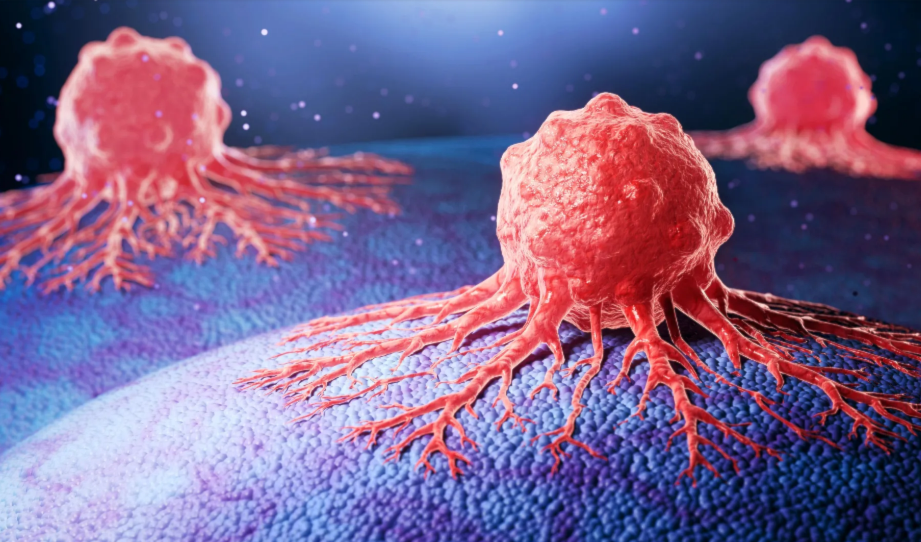
مركب جديد يستهدف الخلايا المقاومة للعلاج في أحد أخطر أنواع سرطان الدماغ
اكتشف باحثون هنود أنّ المركب SPK17 يؤدي إلى تراكم تلف الحمض النووي DNA في خلايا الورم الأرومي الدبقي، وهو نوع من سرطان الدماغ، ما يتسبب في موتها، وفق موقع Medical Express العلمي.
وأشارت مجلة "Journal of Biological Chemistry" إلى أنّ بروتين TTK يؤدي في الظروف الطبيعية دوراً في وقف انقسام الخلايا عند اكتشاف تلف في الحمض النووي، ما يمنحها الوقت اللازم لإصلاحه. غير أنّ الخلايا السرطانية تستغل هذه الآلية للبقاء على قيد الحياة. ويعمل المركب SPK17 على تثبيط بروتين TTK، ما يسمح للخلايا السرطانية بمواصلة الانقسام رغم تلف الحمض النووي، الأمر الذي يؤدي إلى تراكم الأخطاء ومن ثم موت الخلايا.
SPK17 produced about eight times TMZ’s cell-death signal at one-twentieth the chemotherapy drug’s concentration in lab-grown, drug-resistant glioblastoma cells. @jbiolchem https://t.co/hvfnIpy2SJ
— Medical Xpress (@medical_xpress) November 9, 2026

11 تشرين ثاني 19:41

26 تشرين اول 11:21
وأثبت المركب TTK فعاليته في التجارب المخبرية، ولا سيما ضد خلايا الورم الأرومي الدبقي المقاومة للعلاج بالتيموزولوميد. وتسبب المركب SPK17 في موت الخلايا بمعدل أقوى بنحو ثماني مرات مقارنة بالتيموزولوميد، حتى عند استخدامه بتركيز أقل.
كما درس الباحثون المركب SPK17b، الذي يؤدي إلى تراكم المواد الضارة ويحرم الخلايا السرطانية المتبقية من القدرة على اختراق الأنسجة.
Nearly every child diagnosed with a cancer known as diffuse midline glioma dies within a year. Engineered immune cells just wiped it out in mice. Scientists at UC San Francisco engineered CAR-T cells, immune cells taken from a patient and reprogrammed to hunt cancer, with a clever safety switch. The cells carry a sensor for brevican, a protein found only in the brain, so they stay quiet in the blood and spleen and only arm themselves to attack tumor proteins once they reach brain tissue. The team tested these "B-SYNC" cells against diffuse midline glioma, or DMG, a childhood cancer that grows into the brainstem. In two mouse models carrying human DMG tumors, the treatment eliminated the cancer in every treated mouse, while standard CAR-T cells could not control it. The study was published in Science Translational Medicine. DMG is one of the cruelest cancers in medicine. It grows in the part of the brain that controls breathing, heartbeat and swallowing, so surgeons can't remove it, and nearly all children diagnosed die within a year. The engineered cells were still working more than 70 days later, and when the researchers put tumor cells back into the mice about seven weeks after treatment, every one of them rejected the cancer. That said, these results come from mice carrying human tumors, and many treatments that work in mice fail in children. Also, the cells still need to be shown safe in people. But the team is already working toward a trial at UCSF Health that could begin as early as April 2027. source: Lakshmanachetty, S., ... & Okada, H. (2026). Brain-sensing synNotch–CAR T cells enable precise targeting and clearance of diffuse midline glioma in multiple preclinical models. Science Translational Medicine.
— Shining Science (@ShiningScience) November 13, 2026
وأشار العلماء إلى أنّ علاج الورم الأرومي الدبقي يواجه صعوبات بسبب مقاومة هذا الورم للعلاج الكيميائي، ولذلك قد تسهم المركبات الجديدة في التغلب على هذه المشكلة. لكن النتائج المحققة حتى الآن تقتصر على التجارب التي أُجريت على خطوط الخلايا، ولا يزال يتعين تحديد مدى فعالية هذه المركبات وسلامتها لدى البشر.
Hindistanlı araştırmacıların laboratuvarda incelediği SPK17 bileşiği, temozolomide dirençli glioblastoma hücrelerinde hücre ölümünü artırdı. Bulgular yalnızca hücre kültürlerine dayanıyor; tedavi olarak kullanılabilmesi için ileri araştırmalar gerekiyor. https://t.co/RQu4ODiBG9 https://t.co/DmYKLy4bIe
— İstihbarat Haberleri - Intelligence News (@rasimasker) November 9, 2026


