


خطر خفي.. نيازك صغيرة قد تصطدم بالأرض من دون إنذار مسبق!
يقول عالم فلك بأنّ التهديد الحقيقي الخفي للأرض لا يأتي من النيازك الكبيرة التي يتم رصدها مسبقاً بل من النيازك الصغيرة.. ما السبب؟
-
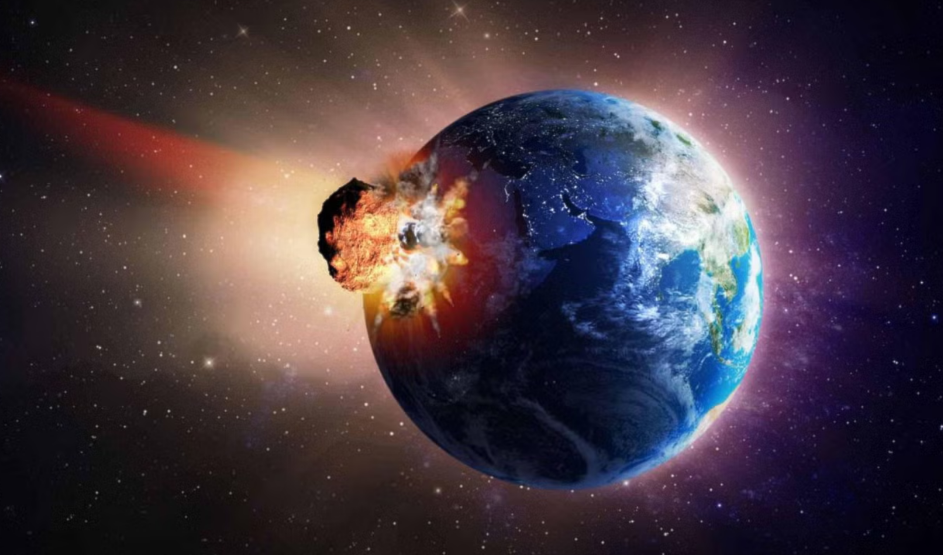
خطر خفي.. نيازك صغيرة قد تصطدم بالأرض من دون إنذار مسبق
أفاد عالم الفلك، بوريس شوستوف، بأنّ التهديد الحقيقي للأرض لا يأتي من الكويكبات العملاقة، بل من الأجرام السماوية الصغيرة بحجم "نيزك تشيليابينسك" Chelyabinsk meteor، التي يعجز البشر عن رصد معظمها مسبقاً.
ويؤكد شوستوف أنّ جميع الأجسام الفضائية الكبيرة القادرة على التسبب بكارثة عالمية معروفة وتخضع للمراقبة منذ فترة طويلة، ولا يشكل أي منها تهديداً للأرض خلال مئات أو حتى آلاف السنين المقبلة. لكن الخطر الأكبر يكمن في الأجسام الصغيرة التي لا تحظى بالاهتمام الكافي.
10 Years Ago Today, the Chelyabinsk Meteor Exploded Over Russia Footage of the meteorite was seen streaking across the sky above Russia's Chelyabinsk region. WARNING: this video contains strong language in Russian. Source: YouTube youtube https://t.co/l20iuxpR7p
— Black Hole (@konstructivizm) February 16, 2023
ويقول موضحاً: "تصطدم نيازك يبلغ قطرها نحو 10 أمتار بالأرض مرة كل 10 سنوات تقريباً، بينما تصطدم أجسام بحجم نيزك تشيليابينسك، الذي يتراوح قطره بين 17 و20 متراً، مرة كل 30 إلى 50 عاماً".
ويُذكر أنّ نيزك تشيليابينسك دخل الغلاف الجوي للأرض في شباط/فبراير 2013، ويؤكد العلماء أنّ مثل هذه الاصطدامات تحدث خلال عمر الإنسان، خلافاً للاصطدامات بالأجرام العملاقة التي قد تفصل بينها ملايين السنين.
Can NASA really stop an asteroid from hitting Earth? NASA’s planetary-defense program constantly tracks near-Earth objects and studies their orbits to identify asteroids that could potentially threaten our planet. And NASA has already proven that an asteroid’s path can be changed. In 2022, NASA’s DART (Double Asteroid Redirection Test) spacecraft deliberately slammed into Dimorphos, a 170-meter-wide asteroid moonlet orbiting the larger asteroid Didymos. The impact changed Dimorphos’ orbital period by about 33 minutes the first full-scale demonstration of asteroid-deflection technology. DART used a technique called a kinetic impactor. Instead of destroying the asteroid, the spacecraft hit it at extremely high speed, transferring momentum and slightly changing its trajectory. Material blasted from the asteroid during the collision provided additional recoil, making the deflection even stronger. The biggest advantage is time. A tiny change in an asteroid’s velocity, made years or decades before a predicted impact, can accumulate into a huge difference in its future position. That small nudge could ultimately make the asteroid miss Earth entirely. But NASA can’t simply “stop” every asteroid. The success of a deflection depends on the asteroid’s size, composition, speed, orbit, and especially how much warning time we have. So when it comes to planetary defense, the most powerful weapon may not be force it’s early detection.
— cosmic pulse (@cosmicpulsee) August 21, 2026
وتكمن المشكلة الرئيسية، وفقاً لعالم الفلك، في الأجرام التي يتراوح قطرها بين عشرات الأمتار، إذ لم يُكتشف معظمها حتى الآن. فعلى سبيل المثال، لا تتجاوز نسبة الأجرام المكتشفة والمماثلة لجسم تونغوسكا، الذي بلغ قطره نحو 50 متراً، 3% من إجمالي عددها المتوقع، وفقاً لتقديرات النماذج العلمية.
A space rock 30 times stronger than the Hiroshima bomb exploded over this Russian city at 9:20 in the morning. Nobody saw it coming. 1,491 people were hurt, almost all by flying glass. One teacher saw the flash and told her 44 kids to get under their desks. Then the windows blew in. This was Chelyabinsk, February 15, 2013. Nothing this big had hit our atmosphere since 1908, when a blast in Siberia flattened a forest the size of a big city. Scientists think a rock like this hits about once every 60 years. The rock was about 18 meters wide, as tall as a six-story building. It weighed around 10,000 tons, about as much as the Eiffel Tower. And it was moving at 19 km per second. At that speed you could fly from London to New York in less than 5 minutes. It was about 20 times faster than a rifle bullet. It came in from the direction of the Sun. Nobody on Earth was tracking rocks that small, so there was no warning at all. Most people think space rocks burn up from friction. Mostly it's the air in front of them. It can't get out of the way fast enough, so it gets squeezed until it's white hot. The rock heats up, cracks and bursts apart. This one burst about 30 km up, three times higher than planes fly. For about five seconds the flash was brighter than the Sun. Some people got burns on their skin like a sunburn. Around 70 were blinded for a while. Then it went quiet. The explosion was so high that the shock wave needed time to reach the ground. A lot of people walked up to their windows to look at the strange white trail in the sky. That's where the glass found them. The shock wave damaged more than 7,200 buildings across six cities. Nobody died. The teacher's name was Yulia Karbysheva. She was badly cut. Not one of her 44 students was. Most of the rock turned to dust in the air. One chunk punched a hole 6 meters wide in the ice of a frozen lake, wide enough to drop a car through. Divers pulled it out eight months later. It weighed 654 kg, heavier than a grand piano. When they put it on the scale, it broke the scale. And that was less than 0.01% of the rock that came in. That same morning, a completely unrelated asteroid about 30 meters wide flew past Earth closer than many of our satellites. Two space rocks in one day, and we only saw one of them coming. If you saw a flash brighter than the Sun outside your window, would you get down, or walk up to the glass to look?
— Qvyre (@qvyrex) November 20, 2026


